Holistic Farming Support
The Bono region, like many other parts of West Africa, is rich with natural resources and incredible biodiversity and has traditionally supported many a subsistence farmer. The introduction of industrial farming and genetically modified crops, however, has tipped the majority of larger scale farms towards mono-cropping and extensive chemical use.
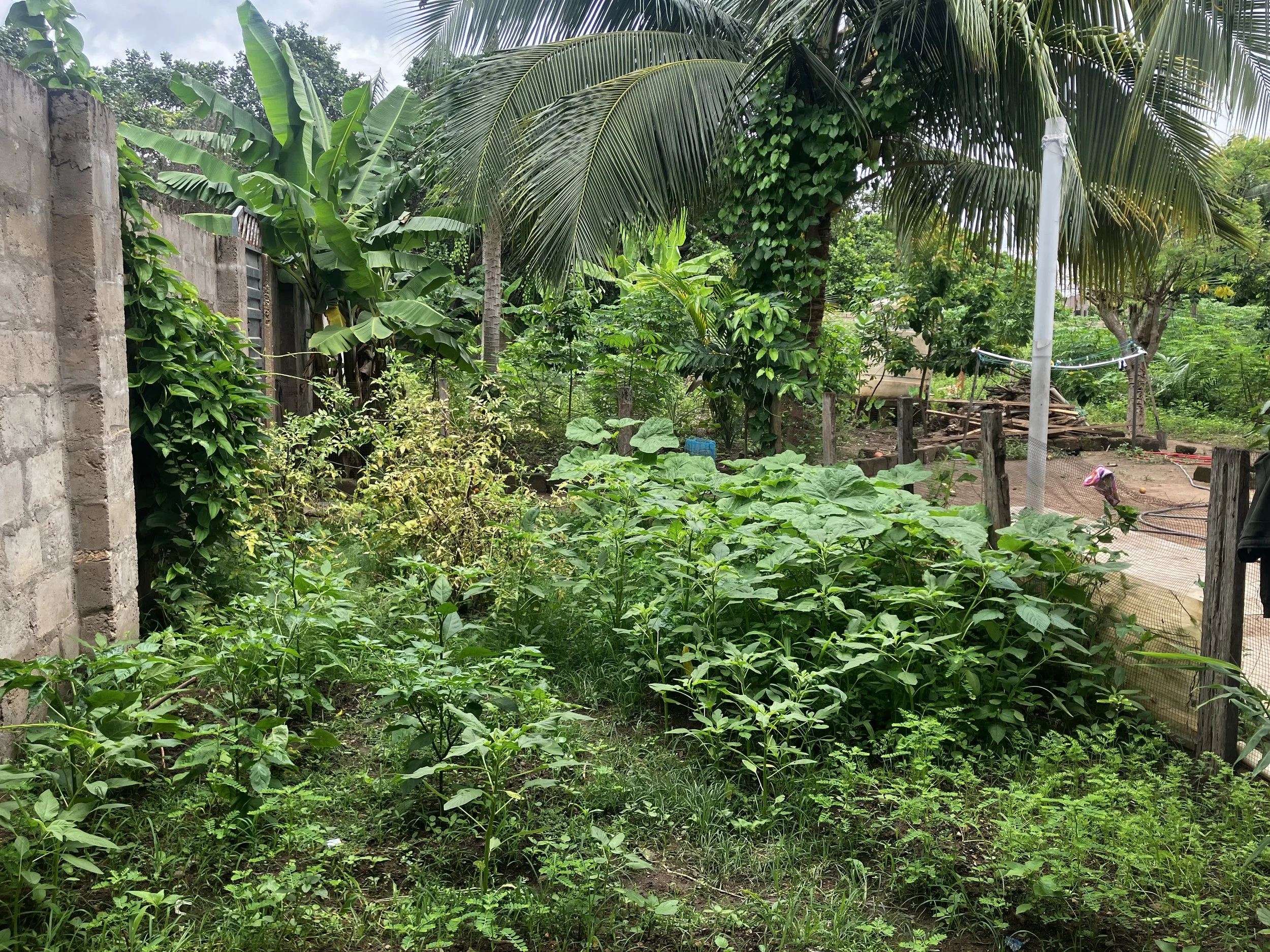
Tirafanga is committed to supporting local farmers in finding ways to return to sustainable farming as a subsistence method and a profitable business model. For over a decade we have worked with farmers in the Jaman North District to demonstrate the effectiveness of organic and regenerative farming techniques, both through community gardens and classes at our school, Rising Star Leadership Academy. The positive response has been immense as the fairly new introduction of chemicals and mono-cropping has had alarming negative effects, including ecological collapse and human disease.
Our Approach
For many years we have counselled farmers in the Jaman North area on how to return to holistic farming without the use of synthetic chemicals, which have become widely used in the region, most often as a means to clear the under growth of cashew farms, which is the largest cash crop of the area. Additionally, the introduction of GMO seed has encouraged further dependence on toxic pesticides and degradation of native biodiversity. Although we have worked with many farmers informally over the years, we are now developing curriculum for holistic farming training as well as business support to offer consistently at the sustainable farming and biodiversity training laboratory we are developing next to our school, Rising Star Leadership Academy.